


Haere Mai! Welcome to the Upper Waitematā Neighbourhood
Find your place in our community and explore the natural beauty of the Upper Harbour Local Board area that the Upper Waitematā Ecology Network cares for. Learn about how you can take simple steps to help our local environment thrive in our local parks and from the comfort of your own home.
Interactive Map of Upper Waitematā
Explore the Upper Waitematā by using this map to locate cultural landmarks, community environmental work, and top local destinations.

Cultural connections to the land
Tēnā koutou katoa, e ngā mana, e ngā reo, e ngā karangaranga maha. Nau mai haere mai.
We gather across today the beautiful suburbs of Albany, Paremoremo, Unsworth Heights, Greenhithe, Herald Island, Hobsonville, Whenuapai and West Harbour. In doing so, we stand upon lands shaped by centuries of history, rich with stories of those who came before us.
Understanding the roots of this land helps us protect its future and helps us to be culturally safe in our activities. There are three iwi (tribal groups) that have particularly strong ties to Upper Waitemata area or Wai Roa ō Kahu / Upper Harbour: Te Kawerau ā Maki, Ngāti Whātua and Ngāti Manuhiri. Historically, these iwi held a deep and unbroken connection to the forests, harbours, and estuaries that weave through our communities today. There are thirteen different iwi/hapu in total have been identified to have connections with the whenua (land) of Wai Roa ō Kahu / Upper Harbour.
Through historic Treaty Settlement Act for Te Kawerau a Maki , Ngā Maunga Whakahii o Kaipara (Ngāti Whātua) and Ngāti Manuhiri and as the UWEN organisation we involved and being part of rebuilding relationships, restoring mana and forging genuine partnerships in working with iwi.
We work alongside iwi (the local Māori tribes) to ensure conservation efforts honour their ancestral ties to this area. You can find more information about their heritage and settlement claims through:


European settlers used the Upper Waitematā Harbour / Upper Harbour as a main road for their boats. This was because the early land roads were very poor or did not exist. Boats carried timber, kauri gum, and farm goods to the growing city of Auckland. Learn more about these early journeys on the Auckland Council heritage walks page.
Kia ora mai tātou katoa
WHAKATAUKI - PROVERB
Ko te kākano kāhore noa i puāwai i poipoia
E whai ana i te whakaaro kia tūtuki
The mokopuna yet to be born and nurtured
Reflects the very purpose for us to succeed
Our worst weeds
Many plants brought to New Zealand for gardens have escaped over the fence, becoming invasive. These weeds threaten our local plants that native wildlife depend on. Removing weeds helps native trees grow and brings birdsong back to our neighbourhood. You can use tools like iNaturalist.nz to identify plants in your own garden. The following 12 pest plants are the most common threats in the Upper Waitematā.

Arum Lily
Forms dense colonies and seeds move through local waterways. Facts about this weed.

Chinese Privet
Displaces native regrowth and seeds are spread by birds. Facts about this weed.

Moth Plant
Poses a risk to health and smothers mature trees. Facts about this weed.
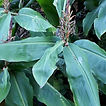
Wild Ginger
Massive root systems block growth and seeds spread via water. Facts about this weed.

Tradescantia
Creates a thick carpet that blocks the growth of seedlings. Facts about this weed.

Taiwan Cherry
Invades forest margins and competes with our local species. Facts about this weed.

Blue Morning Glory
Smothers native vegetation and is spread via fragments or garden waste. Facts about this weed.

Japanese Honeysuckle
Competes for vital sunlight by aggressively smothering native trees. Facts about this weed.

Tree Privet
Outcompetes native species and seeds are spread by birds. Facts about this weed.

Woolly Nightshade
Alters soil health and contact can be harmful to humans. Facts about this weed.

Pampas
Prolific seeds spread by wind and displace native vegetation. Facts about this weed.

Jasmine
Forms heavy mats that starve native trees of light. Facts about this weed.
If you need help managing invasive plants, plenty of excellent resources are available. You can start by learning the basics of What Are Weeds? via Weedbusters. For help identifying a specific plant, use the Key to the weed species by Manaaki Whenua, or download the Seek mobile app on your phone to take a photo and identify plants in real time. Once you know what you are dealing with, you can search for the best eradication methods on the Weedbusters Weed List, or consult the comprehensive Forest & Bird Weed Control Guide to confirm the most effective strategies for key target weeds.
Native plants for your garden
You can help bring back native birdsong by planting local species in your backyard. We recommend planting any of these six native plants to create a safe home for wildlife:

Harakeke (flax)
This plant doesn’t grow too high and provides excellent nectar for local birds.

Karamū
Provides natural food and homes for birds, bugs, and butterflies.

Porokaiwhiri (Pigeonwood)
Offers the specific variety of food and resources our native birds need to thrive.

Wharariki
A tough and adaptable ground protector, attracting nectar-loving birds while thriving in the toughest wind and sun.

Kōwhai
This tree provides nectar for birds like tūī.

Tōtara
A robust and wind-tolerant shield, creating a protected microclimate that helps more delicate garden plants thrive.
Explore a greater list of native plants to attract birds to your garden, which offers fantastic options for both larger trees and smaller growing varieties. For deeper insights into creating a thriving ecosystem, you can also find out more about native planting and native restoration to help enhance local biodiversity right in your backyard.

Protecting our native wildlife
Aotearoa New Zealand’s wildlife evolved for millions of years without land mammals, leaving many native species defenceless against predators that hunt by smell. Today, introduced species like rats, stoats and possums pose the greatest threat to our biodiversity. These predators kill millions of birds every year and destroy the food sources they rely on. By managing predators, we restore the natural balance and allow native birds, lizards, and insects to safely return to our gardens.
In the Upper Waitematā, we focus on managing these threats through community-led backyard trapping. Being a good neighbour means helping to create a "halo" of safety that protects wildlife across our entire district. We encourage the use of humane, target-specific traps to ensure the safety of local pets while making your property a true sanctuary for nature.
Click here for a guide to controlling pest animals to learn about their home range and best-practice control methods. You can also follow this link to explore an A-Z of animal pests and threats to learn more about different species and their impacts.
Meet our heroes
The Upper Harbour Ecological Connectivity Strategy focuses on protecting four "umbrella species". These heroes represent the health of our different local habitats; by helping them thrive, we protect all the wildlife in our area.

Kererū (New Zealand pigeon).
These large pigeons are our forest "gardeners" who spread the seeds of large native trees. Learn about kererū.

Pekapeka (long-tailed bat).
Our only native land mammals, these "thumb-sized" flyers represent the health of our mature forests because they depend on old-growth trees for their roosting sites. Learn about pekapeka.

Matuku-hūrepo (Australasian bittern).
You’re not likely to see this master of camouflage that represents the health of our remaining wetlands. Learn about matuku-hūrepo.

Mohu pererū (banded rail).
These shy residents of our saltmarshes and mangroves highlight the value of our coastal margins. Learn about mohu pererū.
Find out more about the habitat areas we've mapped in Upper Waitematā for these key species, and see how the connectivity strategy can help them move around safely.
Responsible pet ownership
Most of us consider pets part of the family. Being a responsible owner helps them live a long and safe life. A few simple steps help them thrive while keeping our native wildlife safe.

Practice responsible ownership by keeping cats on your property, which keeps them safe and significantly reduces their impact on local biodiversity.

Keep dogs under control and on leads where required to protect ground-dwelling birds. This also stops trouble with people and other dogs.

Never release aquarium pets like goldfish or turtles into local ponds or streams, as they can become invasive pests that destroy aquatic ecosystems.

Caring for the Natural Environment
The network of parks, reserves and other open spaces around Auckland are good for human health and act as natural corridors for wildlife to travel safely around our region. Unfortunately, pressures from our built environment often mean these green spaces are being choked by weeds, waterways are being polluted and native birds are threatened by pest animals. Local groups are taking action to help restore the natural balance and you can join in too.
The health of our harbour starts in our local streams. By planting native trees next to the water, we create a natural filter that keeps our waterways clean. Click here to learn about freshwater habitat restoration, showcasing how local communities are creating spawning sites, naturalising stream banks, and helping native fish thrive. Find out how you can get involved:

Upper Waitematā conservation strategy
Te Wai Roa ō Kahu / Upper Harbour Pest Management Strategy guides our work. This plan helps our community protect and enhance the special places we love. We also follow the Upper Harbour Ecological Connectivity Strategy to create safe paths for wildlife. These "stepping stones" allow native birds to move freely and safely across our entire landscape. Learn more about the core values behind these initiatives by exploring the Upper Waitematā Ecology Network's vision for a thriving local ecosystem.